
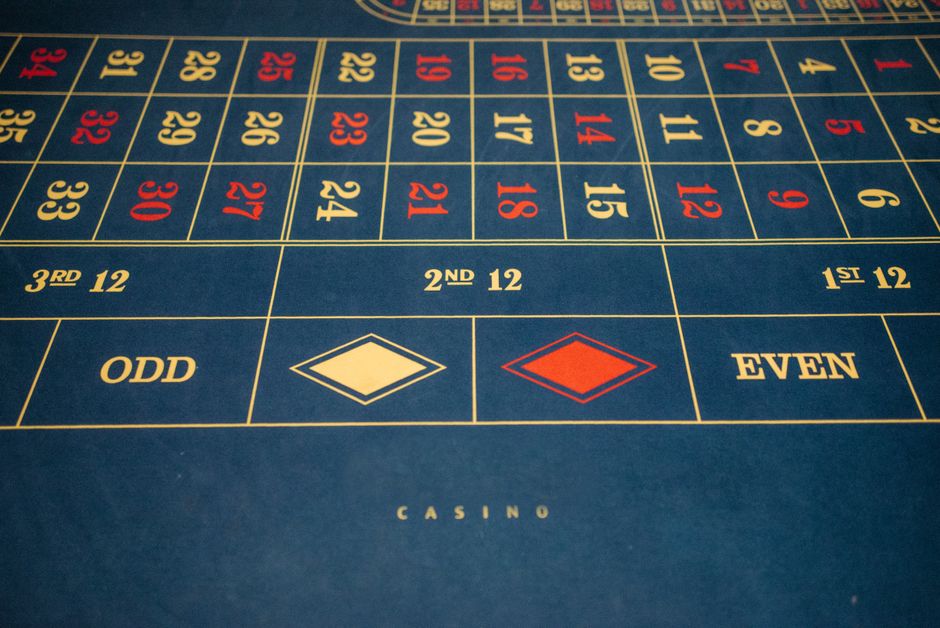
When you hear "iGaming," what comes to mind? If you picture a blurry online casino ad or a guy in a hoodie winning a jackpot, you're missing the bigger picture. The digital gambling world is a sophisticated, fast-moving ecosystem that's reshaping how millions of people experience casino games, sports betting, slots, and poker. It's not just about luck anymore—it's about technology, strategy, and the constant push to keep players engaged. Ready to dive deeper? Let's break down the four pillars of iGaming and what actually matters if you're playing or just curious.
Land-based casinos have their charm—the neon, the noise, the free drinks—but online casinos have taken that experience and cranked it to eleven. Today, you can spin the reels at 3 a.m. in your pajamas, and the variety is staggering. We're talking thousands of games from hundreds of providers, from classic table games like blackjack and roulette to exotic variants you'd never find in a physical casino.
What makes online casinos genuinely useful? The bonuses, for starters. A typical welcome offer might match your first deposit by 100% up to $200, plus 50 free spins on a popular slot. That's real value, but the devil is in the details. Wagering requirements—say 35x the bonus amount—can turn a generous-looking offer into a grind. Smart players always read the fine print. Also, watch for game weighting: not all games count equally toward clearing a bonus. Slots usually contribute 100%, while blackjack might only count 10% or even be excluded entirely.
Another shift: live dealer games. Streamed from studios with real croupiers, these blend the convenience of online with the authenticity of a brick-and-mortar casino. You can chat with the dealer (and other players) while playing live blackjack or roulette. The latency is low, the video quality is sharp, and the experience feels surprisingly human.
Sports betting has exploded from a niche hobby into a global juggernaut. In the U.S. alone, legal sportsbooks handled over $100 billion in wagers in 2023, according to industry reports. But betting isn't just about picking a winner—it's a market driven by odds, probabilities, and information.
Here's where casual bettors often stumble. They bet on their favorite team without checking injury reports, weather conditions, or line movements. Meanwhile, sharp bettors use tools like closing line value (CLV) to gauge whether they got a good number. If you consistently beat the closing line, you're likely a long-term winner. That's a concrete metric, not a feeling.
Also, betting markets are more varied than ever: moneylines, spreads, totals, prop bets, live in-play wagering, and even esports. Each market has its own logic. For example, in-play betting on tennis might depend on momentum shifts after a break point. If you're going to bet, pick a niche, learn the statistics, and manage your bankroll like a professional. A simple rule: never bet more than 1–5% of your bankroll on a single wager. That keeps you in the game long enough to learn from mistakes.
Slots are the undisputed kings of casino games, generating roughly 70–80% of all gambling revenue in many markets. But don't let the flashing lights fool you—modern slots are complex algorithms, not just spinning symbols. Three key numbers matter:
Another pro tip: don't fall for "due" jackpots. Each spin is independent, thanks to random number generators (RNGs). A slot that hasn't paid in hours is no more likely to pay than one that just did. However, progressive jackpots—where the prize grows with every bet—do change the math. If the jackpot is huge enough, the expected value can actually tip in your favor. But that's rare and usually requires optimal strategy on games like Megabucks or progressive video poker. soikeonhacai.ae.org offers a practical breakdown of the topic.
If slots are pure chance, poker is a battle of wits. Online poker rooms like GGPoker, PokerStars, and WSOP.com host thousands of tables, from micro-stakes ($0.01/$0.02 blinds) to nosebleed games where pots exceed a million dollars. The beauty of poker is that you're playing against other people, not the house. That means a skilled player can consistently win—unlike most casino games.
But online poker has its own ecosystem. You need to understand concepts like position, pot odds, and aggression. A common beginner mistake: playing too many hands. In a full-ring game (9 or 10 players), you should typically play only 15–20% of the hands you're dealt. In six-max, that rises to 20–25%. Tighten up, and you'll immediately improve.
Another factor: software assistance. Some players use tracking tools like Hold'em Manager or PokerTracker to analyze their opponents' tendencies. These are legal in most online poker rooms, but real-time solvers (which give live advice) are banned. Know the rules before you sit down. And remember, variance is brutal in poker. Even a great player can lose for months due to bad luck. Bankroll management is non-negotiable: keep at least 20 buy-ins for the stake you're playing if you want to survive the swings.
Let's be honest: iGaming can be a minefield if you're not careful. Licensed operators are regulated by bodies like the UK Gambling Commission, Malta Gaming Authority, or state-level regulators in the U.S. Always check for a valid license and look for seals of approval. Also, use responsible gambling tools: deposit limits, session timers, and self-exclusion options. These aren't buzzwords—they're there to protect you.
Payment methods matter too. E-wallets like PayPal, Skrill, and Neteller offer speed and security. Crypto is increasingly popular for its anonymity and lower fees, but volatility and regulatory uncertainty are real concerns. Credit cards are widely accepted but often charge higher fees (and some banks block gambling transactions). Debit cards and bank transfers are the middle ground.
The iGaming world isn't going anywhere except up. As virtual reality, AI-driven personalization, and blockchain-based provably fair games mature, the lines between physical and digital casinos will blur further. But the core advice remains timeless: understand the games you play, manage your money, and never chase losses. Whether you're spinning slots, betting on the big game, or bluffing your way to a poker title, knowledge is your best edge. So go in with open eyes—and have fun. That's what it's ultimately about.

Hi, my name is Anthony kuber. I am artist and fashion designer.
I love to travel and writing blogging.
Your email address will not be published. Required fields are marked *
Software Developer & Writer
Hey, I'm Diva, a developer and writer blending code and creativity. I'm driven by a deep curiosity and a relentless pursuit of excellence. Join me as I craft digital solutions and captivating stories.


