
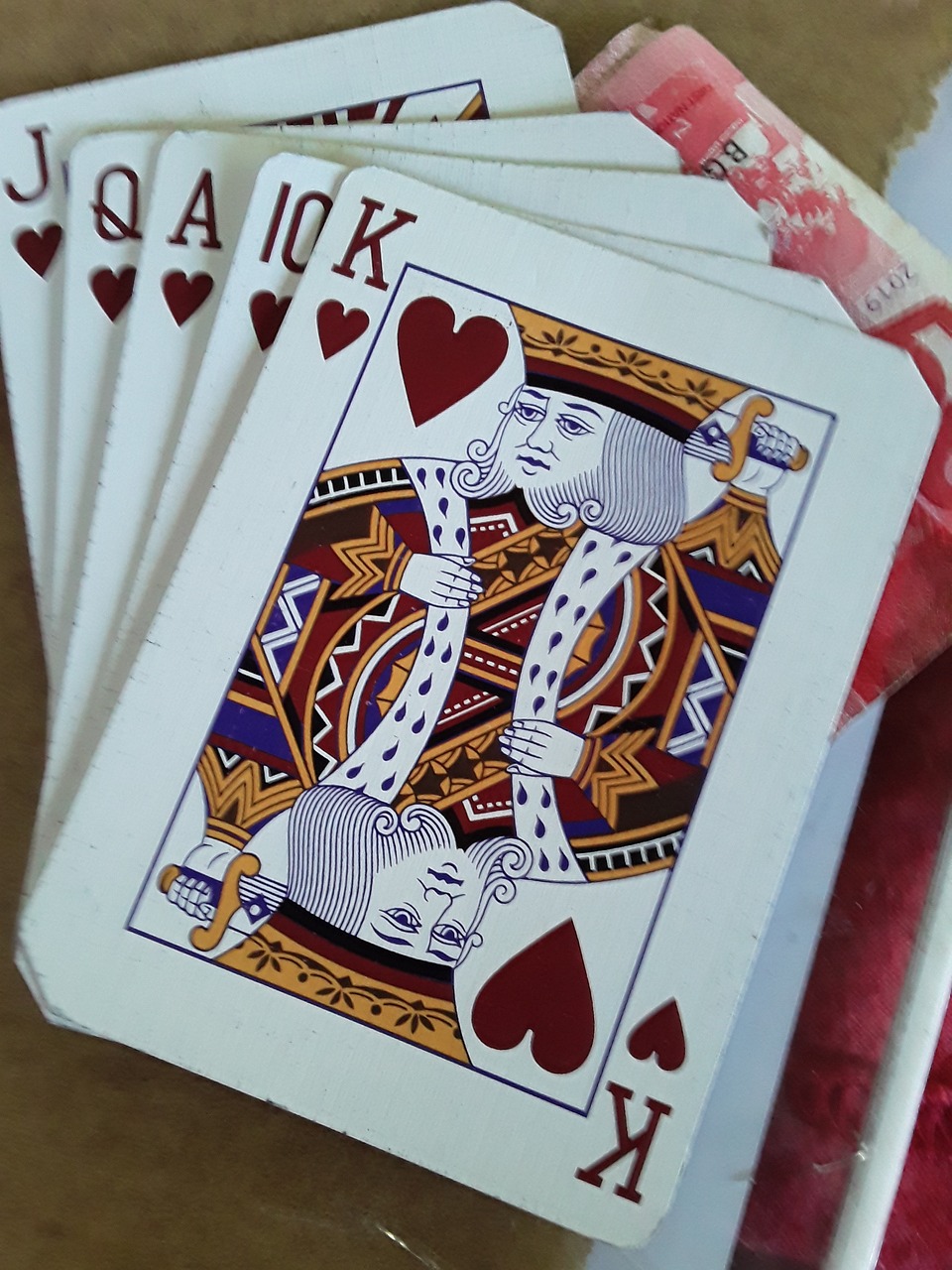
The first thing anyone tells you about gambling is that the house always wins. It's true, mathematically. Casinos aren't charity operations, and the math is tilted in their favor by design. But here's what that glib little slogan misses: the house edge is a long-run number. In the short run — a session, a weekend, a single spin — variance is loud enough to drown out the math entirely. That gap between the long run and the short run is where every serious player lives, and understanding it is the difference between gambling as entertainment and gambling as a slow leak in your bank account.
Every game you'll find in a casino or on an online platform has a built-in advantage for the operator. That advantage is called the house edge, and it's expressed as a percentage of every dollar wagered that the house expects to keep over millions of plays. Anyone weighing up options should see g88.br.com.
Notice something? The gap between European and American roulette is a single pocket on the wheel. That's the entire difference. Players who care about their money learn these numbers the way a driver learns speed limits — not because they're exciting, but because ignoring them gets expensive.
Slots are the engine of the industry. In the United States, they generate somewhere between 65% and 80% of casino gaming revenue depending on the market. Online, the proportion is similar. So it's worth understanding what you're actually playing.
Modern slots use random number generators, or RNGs, which produce outcomes independently of previous spins. This is the part casual players struggle with most. A machine that hasn't paid out in two hours is not "due." A machine that just hit a jackpot is not "cold." Each spin is its own event. The reel strips and the payout table determine the odds, and the RNG just picks a number within that structure.
Volatility matters more than most people realize. A low-volatility slot pays small amounts frequently. A high-volatility slot might go 200 spins without a meaningful win, then hand you something enormous. Neither is better — they're different rhythms. If you have a $50 bankroll and you're playing a high-volatility game, you'll likely be broke before the big hit arrives. Match the game to your bankroll, not to the marketing banner.
Divide your session bankroll by at least 100. If you're sitting down with $100, your average bet should be around $1 or less. That gives you enough spins for variance to actually do its thing.
Here's where a lot of people get confused. Slots, roulette, and most table games are played against the house. Poker is played against other players, and the house takes a cut — the rake — for hosting. That means a skilled poker player can have a genuine long-term edge over weaker opponents. No other casino game offers that.
But skill in poker is not the same as confidence. The most common mistake I see among casual players is overestimating their own ability because they remember their wins and forget their losses. Poker rewards patience, position, and emotional control far more than it rewards fancy bluffs.
Tournament poker flattens the skill edge somewhat, especially in fast structures, because the blinds force action. Cash games reward patience over hours. Figure out which one suits your temperament before you figure out your strategy.
Sports betting has exploded, and with it a particular kind of recreational player who bets on their favorite team because they're emotionally invested. That's fine as entertainment, but it's not a strategy.
The bookmaker's margin lives in the odds. If both sides of a coin-flip market are priced at -110, you need to win 52.4% of the time just to break even. Over a season, that's a real hurdle. Sharp bettors make their money by finding mispriced lines — usually small market inefficiencies in obscure leagues, player props, or live markets — and betting them before the line moves. If you're betting your favorite team at -200 because you believe in them, you're paying for the privilege.
Every serious gambler I've spoken to over the years has said some version of the same thing: the money is made in bankroll management, not in picking winners. Anyone can get lucky on a parlay. Almost nobody can stay lucky.
None of this is exciting advice. It won't win you a jackpot story to tell at a party. But it's the difference between playing for years and burning out in three months.
Gambling is a form of entertainment with a hard cost attached. That cost is the house edge, and the only real question is whether the experience is worth the price. Slots offer a cheap rollercoaster if you manage your bets. Poker offers a skill game if you're honest with yourself. Sports betting offers an analytical puzzle if you respect the number. The people who get hurt are the ones who forget they're paying for a service and convince themselves they're beating a system that was never designed to be beaten.
Know the math, respect the variance, and never bet more than the entertainment is worth. Do that, and you can enjoy this world for a long time without it enjoying you back.

Hi, my name is Anthony kuber. I am artist and fashion designer.
I love to travel and writing blogging.
Your email address will not be published. Required fields are marked *
Software Developer & Writer
Hey, I'm Diva, a developer and writer blending code and creativity. I'm driven by a deep curiosity and a relentless pursuit of excellence. Join me as I craft digital solutions and captivating stories.


