
Most casino players obsess over the wrong numbers. They chase jackpots, memorize slot volatility charts, and swap poker strategies like trading cards. Meanwhile, the single biggest factor in whether they walk away up or down — the house edge — gets ignored. If you play regularly, understanding this one concept can change everything about how you bet.
The house edge is the mathematical advantage the casino holds on every bet you place. It's baked into the rules, not the mood of the dealer or the randomness of the reels. European roulette carries a 2.7% edge thanks to a single zero. American roulette doubles that to 5.26% because of the extra 00. Over thousands of spins, that gap is brutal.
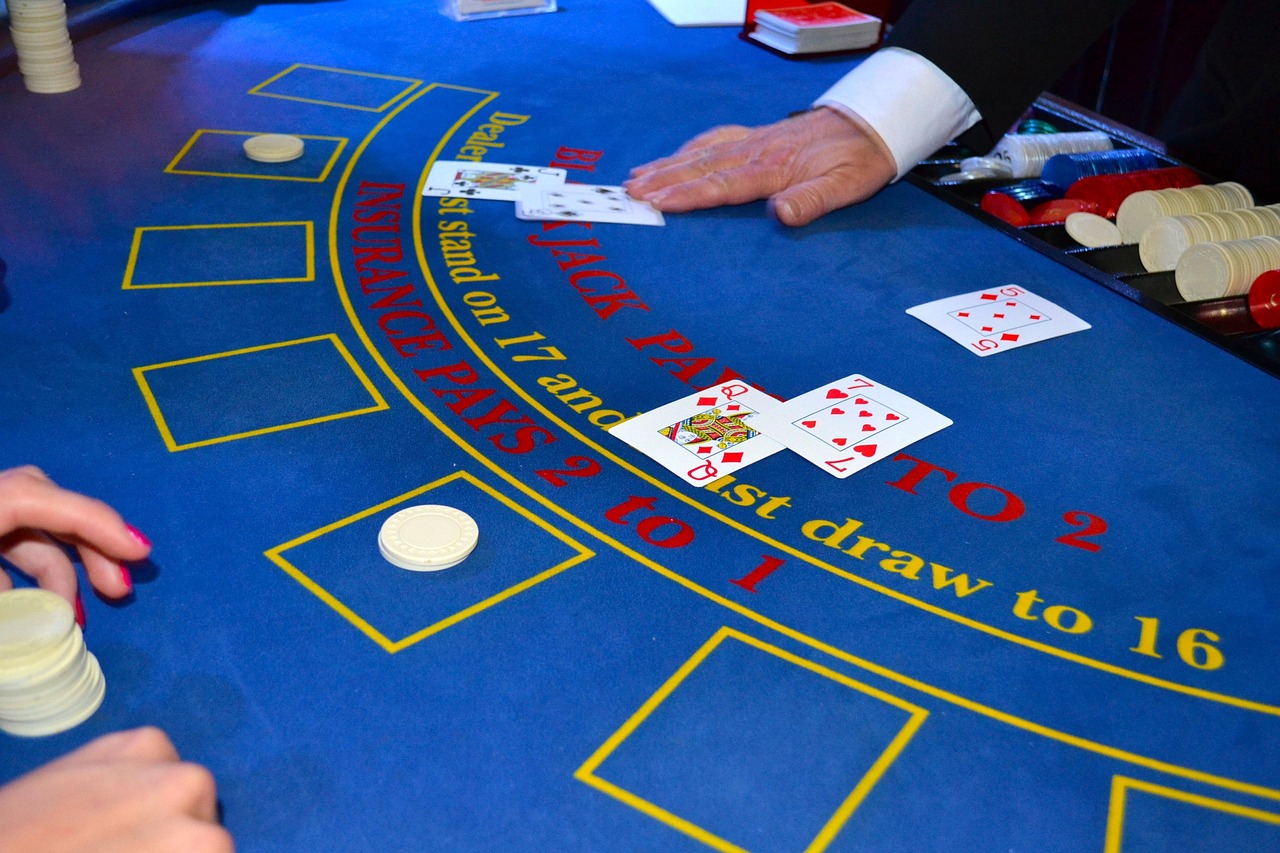
Blackjack played with basic strategy can push the edge down to roughly 0.5%. That means for every $100 wagered, you're theoretically losing 50 cents, not $5. Slots sit somewhere between 2% and 10% depending on the machine and jurisdiction. Video poker variants like Jacks or Better can dip below 1% with perfect play.
None of this guarantees a win tonight. Variance rules the short term. But if you plan to play for years, edge is the only number that matters.
Here's the uncomfortable truth about slots: they're the most popular game in every casino and online lobby, and they're usually the worst bet on the floor. That's not a knock on the games themselves. Modern slot design is genuinely brilliant — the soundtracks, the bonus mechanics, the near-miss anticipation. But popularity and value are different things.
None of this means avoid slots. It means treat them as entertainment with a known cost, not a retirement plan.
Poker is the one game in the building where the house doesn't play against you. You're competing against other players, and the casino just takes a rake. That changes everything.
A skilled poker player can achieve a positive expected value over thousands of hands. The rake — typically 5% capped at $3 to $5 in live cash games — is the real opponent. Online rake structures vary wildly, and choosing the right site can be worth more than a month of study.
The catch? The skill gap matters enormously. In soft games full of tourists and casual players, a disciplined regular can print money. In tough online pools filled with solvers and HUD users, even strong players grind thin margins. If you're considering poker as a serious pursuit, spend your first hundred hours on fundamentals — position, pot odds, range construction — before worrying about advanced GTO lines. Many readers start with 58winn.co.com when comparing options.
You can play perfect basic strategy and still go broke in a weekend if you bet too big. Bankroll management separates players who last from players who flame out.
Sports bettors should think in units too. A unit is typically 1% to 2% of your bankroll. Betting five units on a hunch is how accounts get wiped during a bad weekend of favorites.
The games are similar, but the environments aren't. Online casinos offer better odds in many cases because their overhead is lower. Fewer staff, no free drinks, no prime real estate. That savings often flows into higher RTPs on slots and better bonus structures.
Online also gives you tools land-based casinos can't. You can sort slots by RTP on some platforms, review your betting history, and set deposit limits instantly. Live dealer games bridge the gap with real dealers streamed in HD, though the pace is slower and the edges usually match their brick-and-mortar counterparts.
The trade-off is temptation. Clicking a button is easier than driving to a casino, and that frictionless access catches people off guard. Self-exclusion tools, time limits, and loss limits exist for a reason — use them before you need them.
Welcome bonuses look generous until you read the wagering requirements. A $200 bonus with 40x wagering means you must bet $8,000 before withdrawing anything. If the games you play only contribute 20% toward that requirement, the real number is $40,000.
Look for these details before claiming anything:
A smaller bonus with fair terms beats a huge bonus with impossible strings every time.
It isn't luck, and it isn't a secret system. It's discipline, game selection, and accepting variance without panicking. The players who last treat gambling as a cost — entertainment with a known price — rather than a source of income. They pick games with reasonable edges, manage their bankroll like adults, and walk away when the plan says walk away.
That mindset won't make you rich. It will keep you in the game longer, which is the only thing any strategy can promise.

Hi, my name is Anthony kuber. I am artist and fashion designer.
I love to travel and writing blogging.
Your email address will not be published. Required fields are marked *
Software Developer & Writer
Hey, I'm Diva, a developer and writer blending code and creativity. I'm driven by a deep curiosity and a relentless pursuit of excellence. Join me as I craft digital solutions and captivating stories.


