
There is nothing quite like the sight of horses grazing peacefully in a UK paddock, framed by hedgerows and mature trees. But that idyllic scene can hide real dangers. Horses are curious browsers, and many plants that look harmless—or even beautiful—can cause serious harm. The summary is simple: some common garden plants are toxic to horses, so carefully check hedgerows and boundaries before allowing daily turnout. A few minutes of inspection each season can prevent a veterinary emergency.
While the list of potentially harmful plants is long, a handful of culprits cause the majority of poisonings in the UK. Keep a particular eye out for these:
This is not an exhaustive list, but it covers the plants most likely to appear in or around a British paddock.
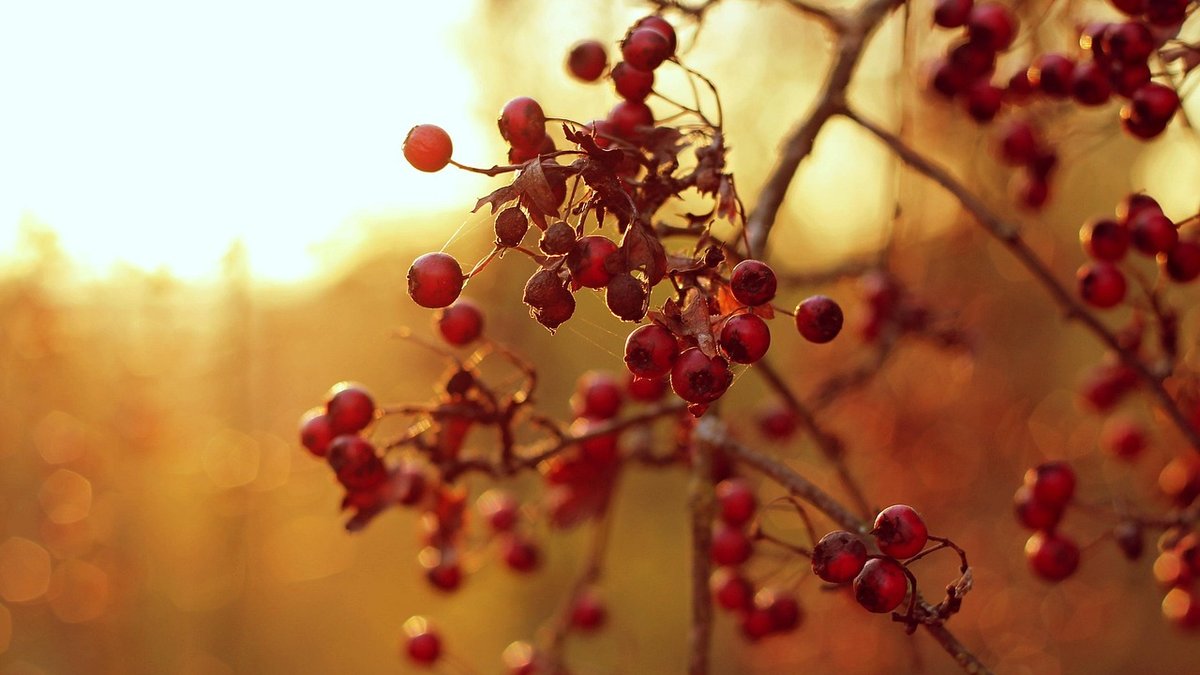
Not every plant is a villain. A well-managed native hedgerow is a wonderful asset for horses, providing shelter, shade and a natural barrier. Traditional hedgerow species such as hawthorn, blackthorn, hazel, field maple and willow are all safe for horses to browse. They are also excellent for wildlife and suit the British countryside perfectly.
The key is to be sure of your identification. Cherry laurel, for example, is sometimes mistaken for a harmless evergreen, but it is highly toxic. Likewise, privet is a common garden hedge that should never border a paddock. If you are in any doubt, fence the plant off rather than risk it. A mature oak tree may be a landmark, but its acorns are a seasonal hazard—so consider collecting fallen acorns or restricting grazing beneath it in autumn.
Poisoning risks change with the seasons, so your checks should too. In spring, buttercups emerge in damp pastures. While horses usually avoid them, hungry animals may nibble, causing mouth ulcers and colic. Pull or mow them before turnout. Summer is ragwort season—it flowers from June to October, and it is easiest to spot and remove when in bloom. Wear gloves and pull it before it seeds, or use an approved herbicide on a calm day.
Autumn brings acorns, sycamore seeds and fallen leaves. Atypical myopathy from sycamore seeds is a particular heartbreak, as it can strike healthy horses turned out on seemingly clean pasture. Rake up seeds where you can, and fence off heavily affected areas. Winter is when hay and haylage become the main risk. Dried ragwort, bracken and other toxic plants remain dangerous in conserved forage, so only buy from a trusted supplier who can confirm clean fields.
Good paddock management is mostly about vigilance and routine. Here are the steps that make the biggest difference:
Living in the countryside with horses is a privilege, and a little knowledge goes a long way. By getting to know your hedgerows and boundaries, you can enjoy the rural idyll safely—for you and your horse.

Hi, my name is Anthony kuber. I am artist and fashion designer.
I love to travel and writing blogging.
Your email address will not be published. Required fields are marked *
Software Developer & Writer
Hey, I'm Diva, a developer and writer blending code and creativity. I'm driven by a deep curiosity and a relentless pursuit of excellence. Join me as I craft digital solutions and captivating stories.


