
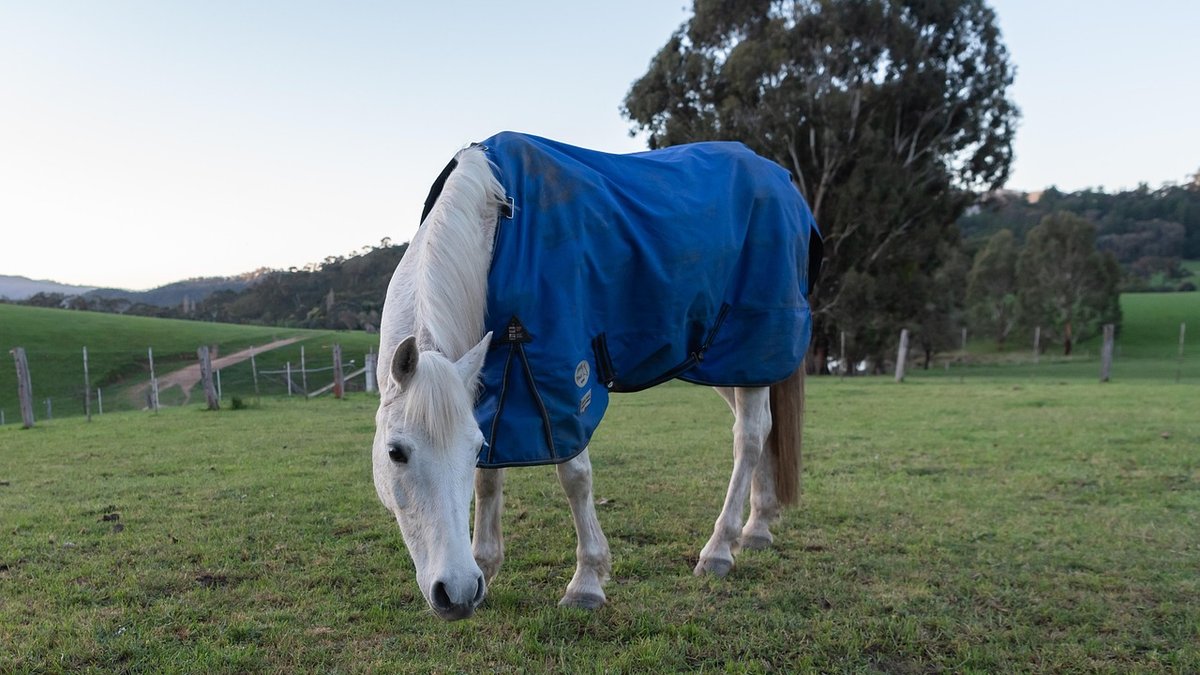
A glossy coat is more than a pretty picture. It tells you your horse is well, well-fed, and well-cared for. Whether you keep a native pony on rough grazing or a clipped hunter in a stable, the right grooming kit makes the daily routine quicker, kinder, and far more effective. Country living throws mud, wind, and damp at you both, so a practical box of tools — chosen for your horse's coat type and your own routine — is worth its weight in gold.
Every grooming box, from a basic stable set to a full showing kit, should cover the same core jobs: loosening dirt, removing it, polishing the coat, and caring for hooves. Start with these pieces and add to them as you learn what your horse needs.
Not every horse needs every brush. A fine-skinned Thoroughbred or Arab will flinch at a stiff dandy brush, while a thick-coated native cob will barely notice it. Build your kit around the coat in front of you.
Order matters more than elbow grease. Start with the rubber curry comb in circles to loosen dirt and stimulate the skin. Follow with the dandy brush, using short flicking strokes to send dust and mud flying. Then use the body brush in long, sweeping strokes, pressing gently as you go. Finish with the stable rubber for a polished, glossy finish.
Always work with the direction of the hair. For the face, use a separate soft brush or sponge and take your time. If your horse is wet and muddy, let the mud dry first, then curry it off. Washing is fine after exercise, but a sweat scraper and a cooler rug will do more for the coat than a daily bath. Over-brushing a fine coat can strip oils and leave it dull, so aim for quality strokes, not quantity.
Real shine comes from inside: good hay, balanced feed, plenty of water, and a diet that includes oils such as linseed or a quality coat supplement. Topical products simply enhance what is already there. A light coat polish sprayed onto the body brush — never directly onto the horse — adds a show-ring gleam. Mane and tail detangler makes combing easier and helps prevent breakage. Use silicone-based sprays sparingly, as they can build up and attract dust.
For hooves, apply oil or balm to the wall and coronet band once or twice a week. In summer, use a high-factor sun cream on pink noses and white heels. In winter, a barrier cream on the lower legs helps protect against mud fever. None of these replace daily inspection, but they keep your horse comfortable and looking well.
Mud, damp, and stable dust will ruin brushes quickly if you let them. Store everything in a plastic box with a lid or a canvas tote with compartments, and keep it in a dry tack room rather than on the yard floor. Once a month, wash brush bristles in warm soapy water, rinse well, and dry them bristles-down. Scrub the metal curry comb and replace sponges regularly. Never share brushes between horses, as skin conditions and fungal infections can spread easily.
Rural life means being practical. Keep a second hoof pick by the gate for quick checks, hang wet sweat scrapers to dry, and keep a small towel in your box for muddy hands. A well-organised kit saves time and makes grooming something you both enjoy.
Your grooming routine should shift with the British weather. In spring, bring out the shedding blade and curry comb to shift the winter coat. In summer, keep a sweat scraper and fly spray close by, and wash off sweat after hard work. Autumn means mud returns, so dry legs thoroughly and check for cracks and scabs. In winter, brush off dried mud rather than washing, and keep hooves picked out daily.
Grooming is also your daily health check. Run your hands over legs and body, feeling for heat, lumps, cuts, or ticks. A shiny coat is the reward, but the real prize is a horse that trusts your hands and knows you will notice when something is not right.

Hi, my name is Anthony kuber. I am artist and fashion designer.
I love to travel and writing blogging.
Your email address will not be published. Required fields are marked *
Software Developer & Writer
Hey, I'm Diva, a developer and writer blending code and creativity. I'm driven by a deep curiosity and a relentless pursuit of excellence. Join me as I craft digital solutions and captivating stories.


