
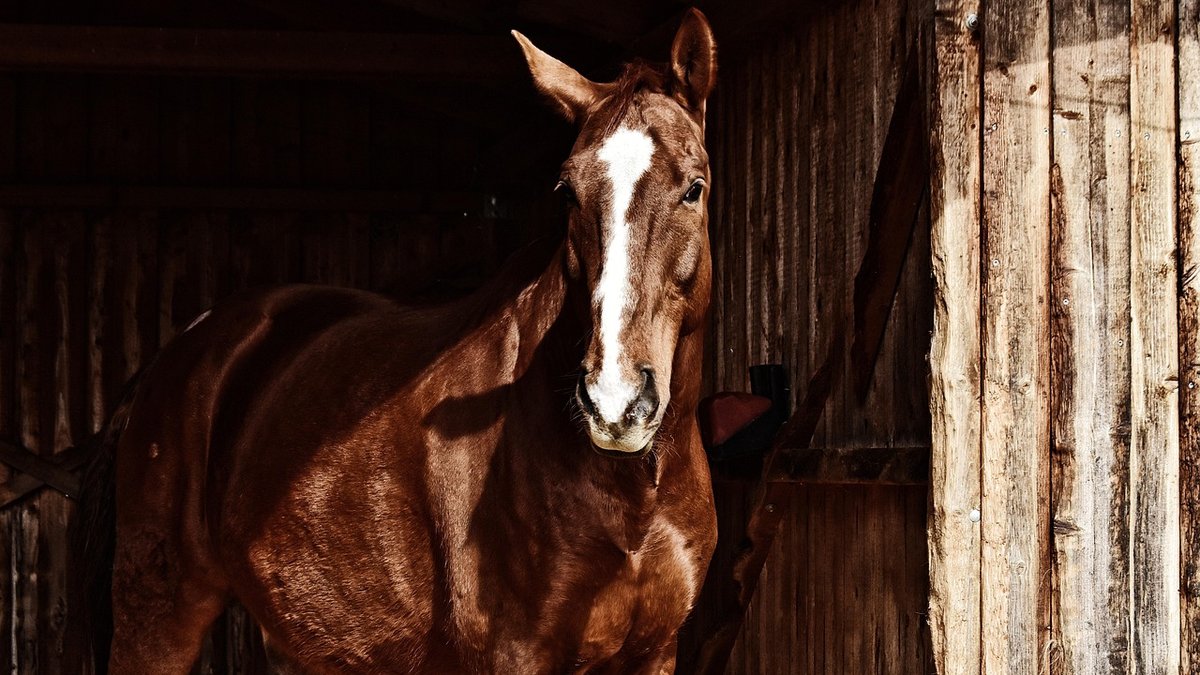
A pony's first show should feel like a small adventure, not an exam. Skip the county qualifiers for now and look for a local riding club, village show or friendly equestrian centre running a relaxed schedule. In-hand youngstock, novice ridden, best turned out and a simple walk and trot test are ideal, because everyone expects a little greenness and the atmosphere is forgiving.
Before entering, check the practical details: somewhere quiet to park a trailer or lorry, water on site, and whether the ground is likely to hold up if it rains. Enter early, keep it to two classes, and visit the venue beforehand if you can. Walking the showground with your pony on a quiet afternoon removes half the surprises before they happen.
Competition rules are strict on paperwork, and a missing passport will send you home before you have even unloaded. Check the passport is current, the microchip number matches, and equine influenza vaccinations are recorded and within the required window — usually no more than six months since the last booster. Keep the passport in the lorry rather than the tack room, as some venues ask to see it on arrival.
Then think about travelling. A first trip in a trailer or lorry is a big event for a young pony, so practise loading well in advance, ideally with a calm companion. On the day, offer only a light haynet — a full belly and a winding country lane do not mix — and put on travel boots and a tail guard. Check tyre pressures and the coupling, and leave with an hour to spare. Ponies read a rushed human very quickly, and a frantic start rarely produces a settled pony at the other end.
Turnout matters, but tidy beats fancy every time. Bathe your pony two or three days before the show so the coat's natural oils return, then give a final groom on the morning. Plait the mane if the class expects it — small, even plaits and a neat forelock — and trim heels, jawline and whiskers in advance rather than on the day. Pick out and oil the hooves, and rasp any rough edges if the pony is shod.
Your own turnout deserves the same care. For showing, a tweed jacket, pale jodhpurs, long boots or jodhpur boots with gaiters, gloves, a shirt and tie, and a well-fitting hat. Dressage classes call for navy or black. Tie hair back in a net, clean your boots and pack a spare shirt. A clean pony and a tidy rider make a far better impression than expensive kit worn badly.
Ring craft is the art of riding politely among other ponies, and it is best learned at home. Set out markers or poles to stand in for the ring and practise riding in company, with a friend's pony alongside, behind and in front, so yours learns to hold its line without kicking or barging.
Work on the details judges notice:
Desensitise your pony to everything a showground throws at it: flapping flags, loudspeakers, umbrellas, pushchairs and crowds at the ringside. Play recordings of applause and commentary while you groom. Ten quiet minutes a day is worth more than a week of last-minute panic. If you are showing in hand, teach your pony to walk and trot beside you, stand for the judge and accept a stranger running hands over its neck and legs.
Arrive with time to spare — an hour and a half before your class is comfortable. Park away from the busiest area if possible, unload calmly, and let your pony take in the sights with a haynet and water brought from home. Familiar water avoids a refusal to drink and reduces the risk of colic on the return journey.
Walk the ring and warm-up area before you tack up, and watch the class before yours so you know the judge's routine. In the warm-up, keep to the correct rein, call your fences and resist the urge to over-practise. A pony that has done twenty circles before entering the ring will be tired and sour. Ten minutes of calm, purposeful work, finishing on a good note, is plenty. If your pony spooks, breathe, ride forward and carry on. Judges forgive greenness far more readily than they forgive a flustered rider.
After your class, loosen the girth, offer water and let your pony relax. Untack at home, sponge off any sweat, check legs and feet for heat or cuts, and rug lightly if the weather turns. Turn out overnight if you can — gentle movement eases stiff muscles and settles a tired mind.
Then take stock. Was it loading, travelling or the warm-up that caused the most worry? That is your homework for next time. One or two outings a month, each slightly more ambitious than the last, will build a pony that travels well, behaves in company and enjoys its work. Keep a short written note of what went well and what to change; the patterns emerge quickly, and your second show will feel twice as easy as the first.

Hi, my name is Anthony kuber. I am artist and fashion designer.
I love to travel and writing blogging.
Your email address will not be published. Required fields are marked *
Software Developer & Writer
Hey, I'm Diva, a developer and writer blending code and creativity. I'm driven by a deep curiosity and a relentless pursuit of excellence. Join me as I craft digital solutions and captivating stories.


