
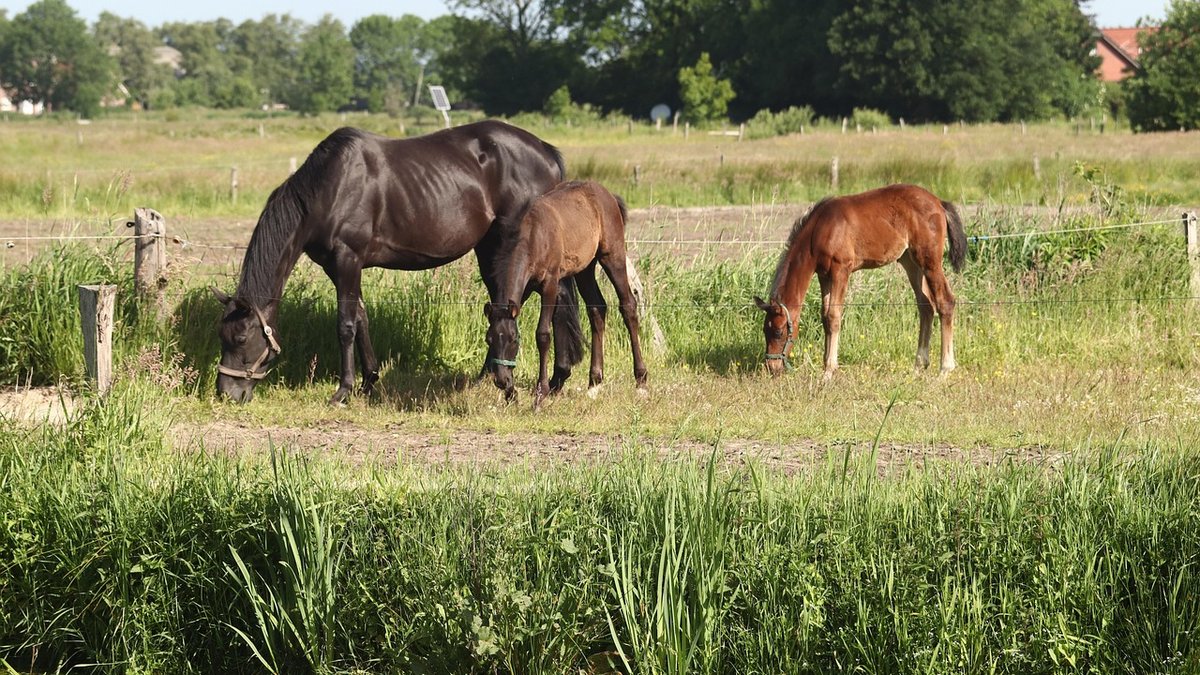
As the rain sets in and the ground softens, many paddocks turn into a churned-up bog. It is tempting to accept it as part of British winters, but deep mud is more than an eyesore. It increases the risk of mud fever, thrush, abscesses and tendon strain. It also destroys grass cover, leaving you with weeds and bare earth come spring. The good news is that with a bit of planning, you can keep your horse on well-drained footing and protect your pasture at the same time. The aim is not a pristine field, but a practical system that works with the weather rather than against it.
Before you spend a penny on surfacing, take a walk around your paddock in wet weather. Note where water sits, which way it flows, and where the ground stays firm. Most mud problems start with water not being able to drain away. If your field slopes, use it: put your main turnout area on the higher, well-drained ground and let the lower part rest. If you have a flat, clay-heavy field, you may need to create shallow swales – gentle ditches – along the contour to divert surface water into a hedge or ditch. Avoid digging deep drains unless you know what you are doing; they can silt up and cause more problems. A simple French drain of gravel in a trench can help a persistent wet spot, but only if the water has somewhere to go.
The most effective strategy for winter turnout is a sacrifice paddock – a smaller area that you are willing to let turn muddy so the rest of your field stays intact. Ideally, site it near the yard, with easy access to water and shelter. Cover the main traffic areas with a free-draining surface. Hardcore topped with woodchip works well for standing and walking. For gateways, consider grass reinforcement mats or rubber matting, which stop hooves from sinking. Make sure the surface is level and compacted, and top up woodchip as needed. A sacrifice paddock does not have to be ugly; a few well-placed mats and a dry standing area can make all the difference. If you can, add a raised area of hardcore or a gravel pad for hay and water, so your horse has somewhere dry to stand.
Even in winter, grass can recover if you give it a chance. Divide your grazing into smaller paddocks using electric fencing. Move your horse every few days, or at least weekly, before the ground is poached. Rest each paddock for at least two to three weeks in mild weather, longer in cold, wet spells. A track system around the edge of a field can also work well: it limits the area your horse trims, keeps them moving, and leaves the middle to recover. If you have multiple horses, consider a shared sacrifice area and rotate the rest. The key is to avoid grazing the same patch down to mud. If a paddock is already muddy, keep your horse off it until spring and focus on the sacrifice area instead.
Gateways are mud magnets because that is where horses congregate and wait. Put a hard standing area at every gateway – a few metres of hardcore or mats will save you hours of hoof-picking and reduce mud fever risk. Move water troughs onto a hard surface or a gravel pad. If you use a field shelter, site it on a well-drained base, ideally with a concrete or rubber mat apron. Avoid feeding hay in the same spot every day; scatter it or use a hay feeder that you can move around. This stops a single area from being trampled into a quagmire. Also check that downpipes from buildings and field shelters direct water away from the paddock, not into it.
Small routines make a big difference. Poo pick daily, even in winter – droppings add to the mush and encourage weeds. Avoid turning out when the ground is frozen solid and then thawing, as hooves can break through the surface and damage roots. If your horse is prone to mud fever, consider a barrier cream or turnout boots, but keep legs clean and dry. Do not over-rug; a wet, sweating horse is more likely to get skin problems. Finally, be realistic: a perfectly mud-free paddock in a British winter is a myth. But with a sacrifice area, good drainage and a bit of rotation, you can keep your horse sound, your grass alive and your mornings much less muddy. A little effort now will pay you back with healthier pasture and happier horses when spring arrives.

Hi, my name is Anthony kuber. I am artist and fashion designer.
I love to travel and writing blogging.
Your email address will not be published. Required fields are marked *
Software Developer & Writer
Hey, I'm Diva, a developer and writer blending code and creativity. I'm driven by a deep curiosity and a relentless pursuit of excellence. Join me as I craft digital solutions and captivating stories.


