
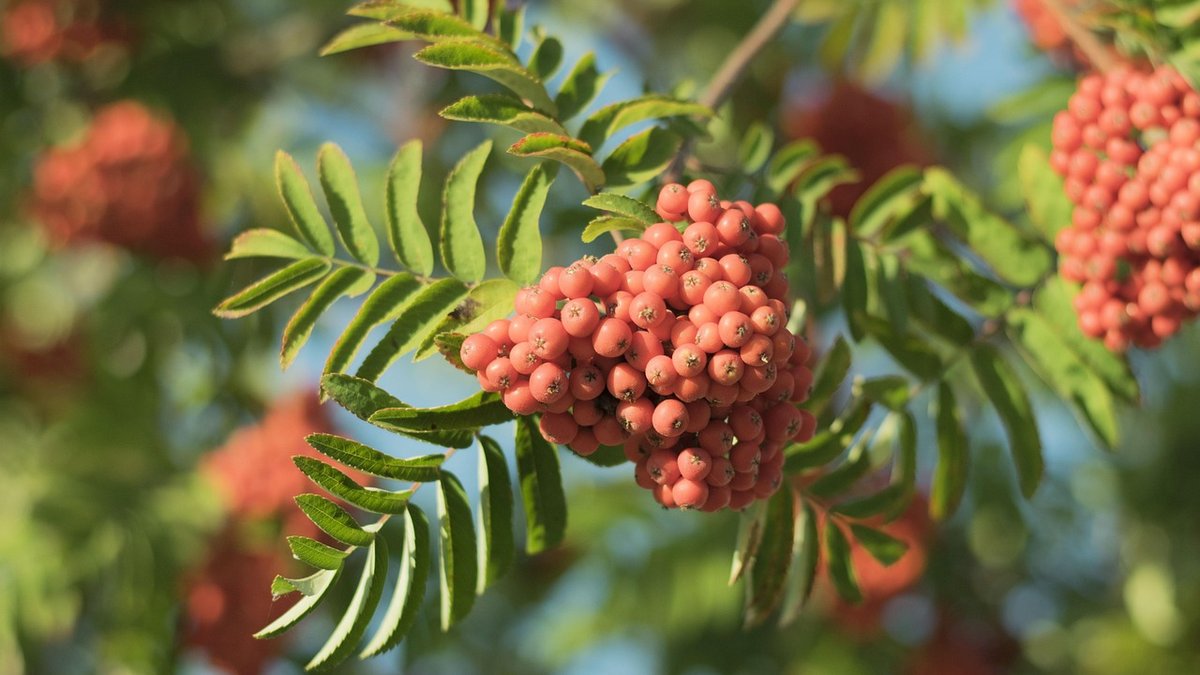
There is a particular satisfaction in stepping out of the stable yard, fork still in hand, and wandering down to the kitchen garden to gather supper. The two rhythms—caring for horses and tending vegetables—complement each other beautifully. Both demand routine, observation, and a willingness to work with the seasons rather than against them. The secret to a kitchen garden that keeps you in fresh produce, rather than a glut followed by an empty larder, is a month-by-month approach. Here is how the year unfolds.
From late January to early March, the garden is waking. If the ground is not frozen or waterlogged, fork over beds and spread well-rotted manure—the muck heap from the stables, stacked for a year, is black gold. Stay off wet soil to avoid compacting it; tread carefully on boards if needed. Cover prepared ground with cloches or black polythene to warm it and dry it out. This is also the moment to check stored roots and use up any that are sprouting.
As soil warms and days lengthen, the pace quickens. Harden off seedlings raised indoors by putting them outside in a sheltered spot for a few hours each day, building up over a week. Plant out when the risk of hard frost has passed—usually mid-May in most of the UK, later in the north. Keep fleece handy for cold nights.
By June, the garden is in full swing. The key is consistent watering—deeply once or twice a week rather than a daily sprinkle, which encourages shallow roots. Water in the morning to reduce evaporation. Feed heavy croppers like tomatoes, courgettes, and runner beans with a comfrey or nettle brew, diluted to the colour of weak tea.
This is the payoff. Lift onions and garlic when the tops flop, and dry them on racks in a warm, airy place until the skins rustle. Maincrop potatoes come up as the haulms die back. For roots, a cool, dark, rodent-free shed is ideal. Check stored crops weekly and remove any that show rot.
The garden may rest, but the gardener does not. Check stored roots for rot, and use any that are sprouting first. Protect winter salads with fleece or a cold frame. A soil thermometer is a small investment that takes the guesswork out of sowing dates.
Follow this rhythm, and you will not only keep the kitchen stocked but also find a deep calm in the cycle. The horses will appreciate the routine, too—and the muck heap will quietly fuel it all.

Hi, my name is Anthony kuber. I am artist and fashion designer.
I love to travel and writing blogging.
Your email address will not be published. Required fields are marked *
Software Developer & Writer
Hey, I'm Diva, a developer and writer blending code and creativity. I'm driven by a deep curiosity and a relentless pursuit of excellence. Join me as I craft digital solutions and captivating stories.


